Unmasking the controversies
Uber's controversies were not random scandals, but the predictable outcome of a leadership-driven culture that rewarded rule-breaking, normalised aggression, and systematically ignored ethical boundaries. Every major controversy stemmed from the same underlying issue: a company structure built to prioritise rapid dominance over legal compliance, employee wellbeing, and moral responsibility. The controversies were not accidents; they were the consequences of a system designed to win at any cost.

Systemic sexual harassment & a culture of silence
The Susan Fowler case in 2017 exposed a deeply unsafe workplace within Uber. HR protected high-performing offenders, and employees who reported harassment faced retaliation. The culture routinely marginalised and ignored women. This reveals how leadership values shaped the entire organisational climate.
“greyball” program, deliberate deception of regulators
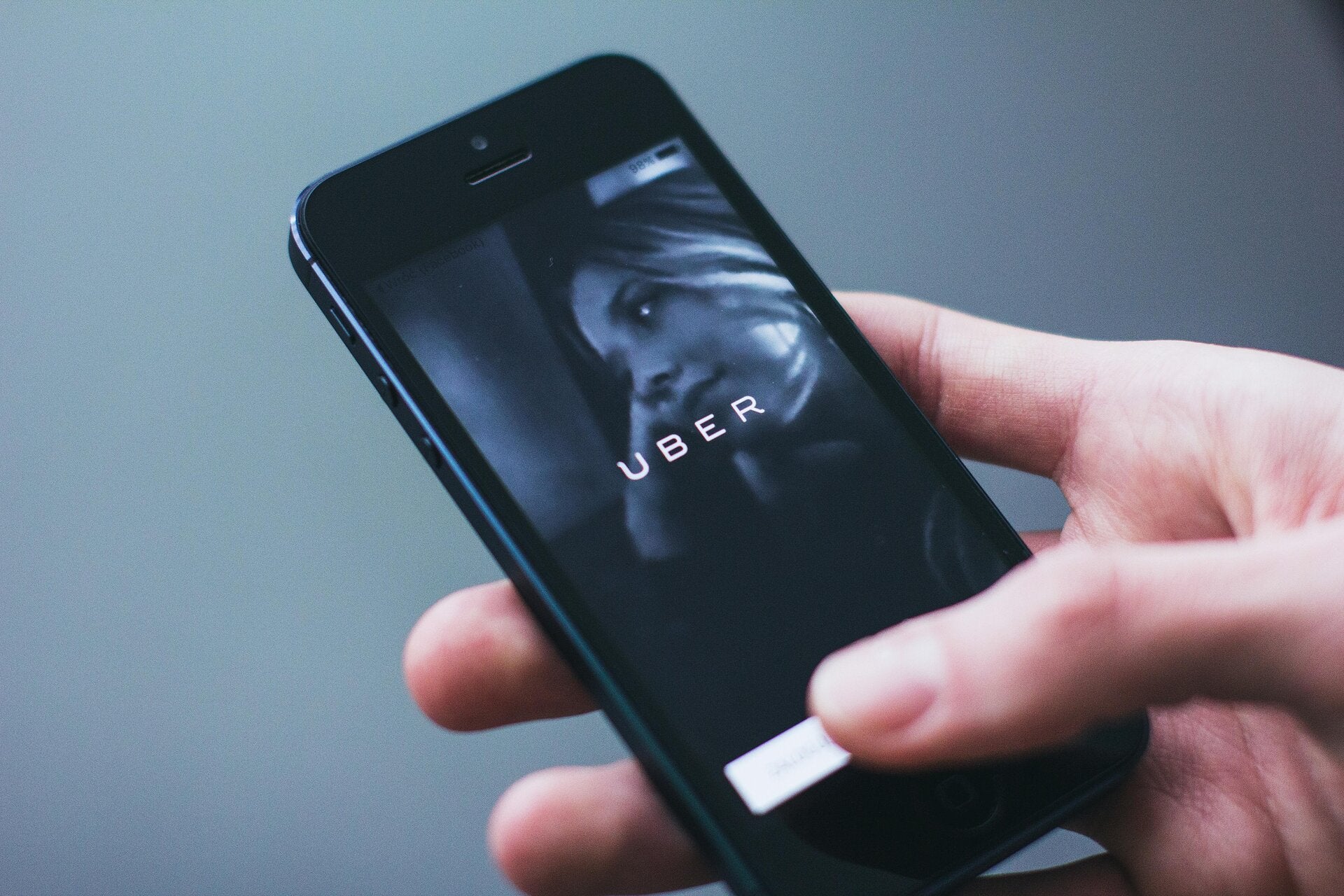
Greyball was a tool Uber used to evade law enforcement and identify and avoid regulators trying to investigate illegal operations. They deployed fake versions of the app to hide real activity. This proves that Uber’s issues were not just internal, but part of a wider ethically reckless strategy directed from the top, reinforcing systemic rule-breaking.

Hyper-aggressive internal culture & competition
Under Travis Kalanick, Uber’s culture encouraged employees competing instead of collaborating, public shaming in meetings, and extreme pressure, leading to burnout and unethical decisions. It rewarded aggression rather than competence. This ties directly to toxic organisational culture theory and shows how the internal environment created broader ethical problems.
Create Your Own Website With Webador